
Reading Time: Approximately 8 minutes
In today’s fast-paced world, reconnecting with nature and exploring holistic approaches to wellness has become increasingly important. Medicinal gardens offer a therapeutic sanctuary where individuals can cultivate healing herbs and plants right at home. Join us as we delve into the world of medicinal gardening, exploring the benefits of growing healing herbs and plants and how you can create your own medicinal garden oasis.
The Healing Power of Medicinal Gardens:
Medicinal gardens have been used for centuries as natural pharmacies, providing remedies for a wide range of ailments and promoting overall well-being. From soothing herbal teas to healing salves and tinctures, the plants grown in these gardens offer a wealth of medicinal properties. Beyond their physical benefits, spending time in a medicinal garden can also have profound mental and emotional effects, fostering relaxation, stress relief, and a sense of connection to nature.
Choosing Healing Herbs and Plants:
When planning your medicinal garden, consider selecting a variety of herbs and plants known for their medicinal properties. Popular choices include:
- Lavender: Known for its calming effects and ability to promote relaxation and improve sleep quality.
- Echinacea: A powerful immune-boosting herb used to prevent and treat colds, flu, and other respiratory infections.
- Peppermint: Excellent for soothing digestive issues such as indigestion, bloating, and nausea.
- Aloe Vera: A versatile plant with healing properties for skin conditions like burns, cuts, and insect bites.
- Chamomile: Valued for its calming and anti-inflammatory properties, often used to promote relaxation and ease anxiety.
- Calendula: Known for its anti-inflammatory and wound-healing properties, commonly used in skincare products and herbal remedies.
Creating Your Medicinal Garden:
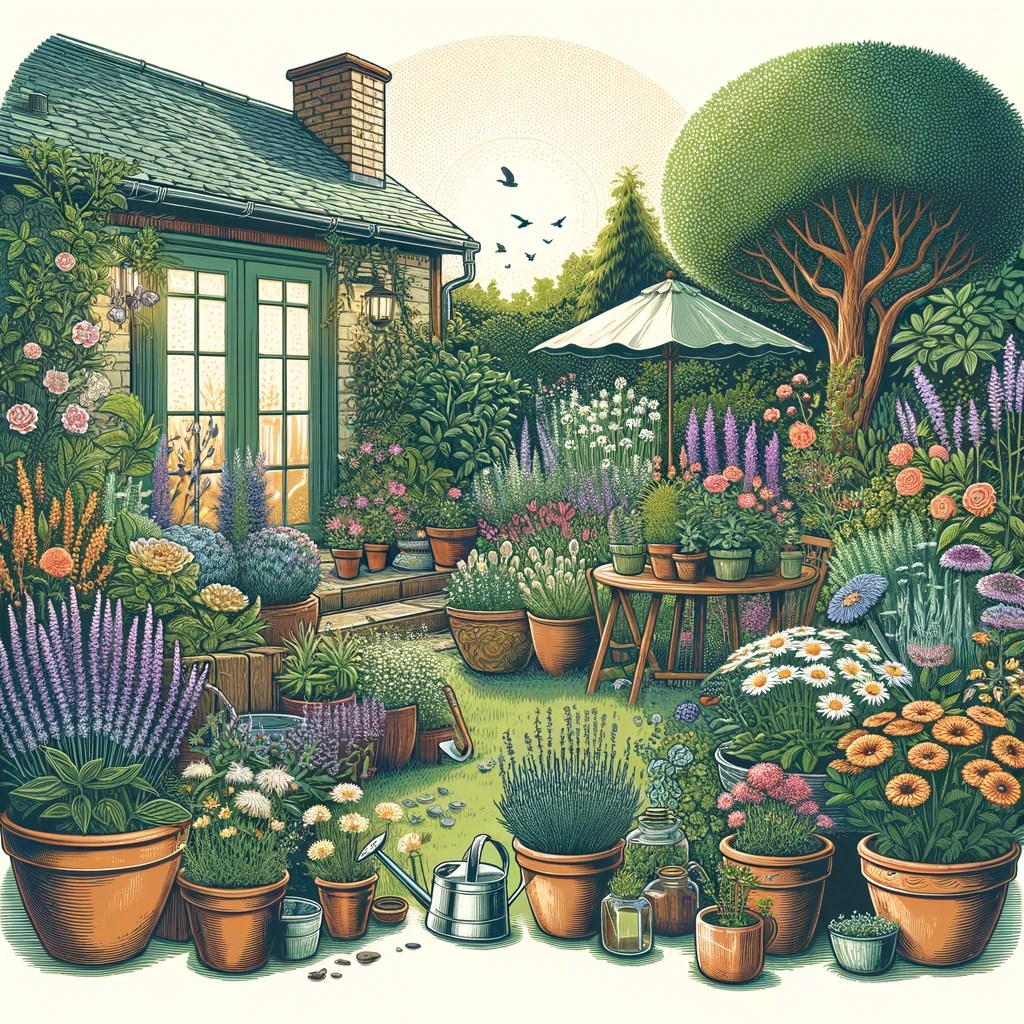
Whether you have a spacious backyard or a small balcony, you can create a medicinal garden that suits your space and needs. Start by selecting a sunny location with well-drained soil, and consider incorporating raised beds, containers, or vertical gardens to maximize space. Research the specific needs of each plant, including sunlight, water, and soil requirements, and plan your garden layout accordingly. Don’t forget to include pathways or seating areas where you can relax and enjoy the beauty and healing energy of your garden.
Caring for Your Medicinal Garden:
Once your medicinal garden is established, regular care and maintenance are essential to ensure the health and vitality of your plants. This includes watering as needed, monitoring for pests and diseases, and pruning or harvesting herbs as they mature. Consider implementing organic gardening practices and avoiding the use of synthetic pesticides and fertilizers to maintain the purity and integrity of your medicinal plants.
Harvesting and Using Medicinal Herbs:
As your herbs and plants mature, you can begin harvesting them for culinary and medicinal purposes. Harvest herbs in the morning when their essential oils are most concentrated, and dry them thoroughly before storing or using them fresh. Experiment with different preparation methods, such as making herbal teas, infusions, tinctures, or herbal oils, and explore the diverse healing properties of each plant.
Medicinal gardens offer a unique opportunity to reconnect with nature, promote holistic wellness, and cultivate healing herbs and plants right at home. Whether you’re seeking relief from common ailments, enhancing your culinary creations, or simply enjoying the beauty of nature, a medicinal garden provides a sanctuary for healing and rejuvenation. Start your own medicinal garden journey today and discover the countless benefits of growing healing herbs and plants at home.
 Random Habitant
Leave a comment